Exploring the Universe in Infrared
The James Webb Space Telescope (JWST) peers deeper into space and time than most observatories, revealing star nurseries, distant galaxies, and the chemistry of planetary atmospheres.
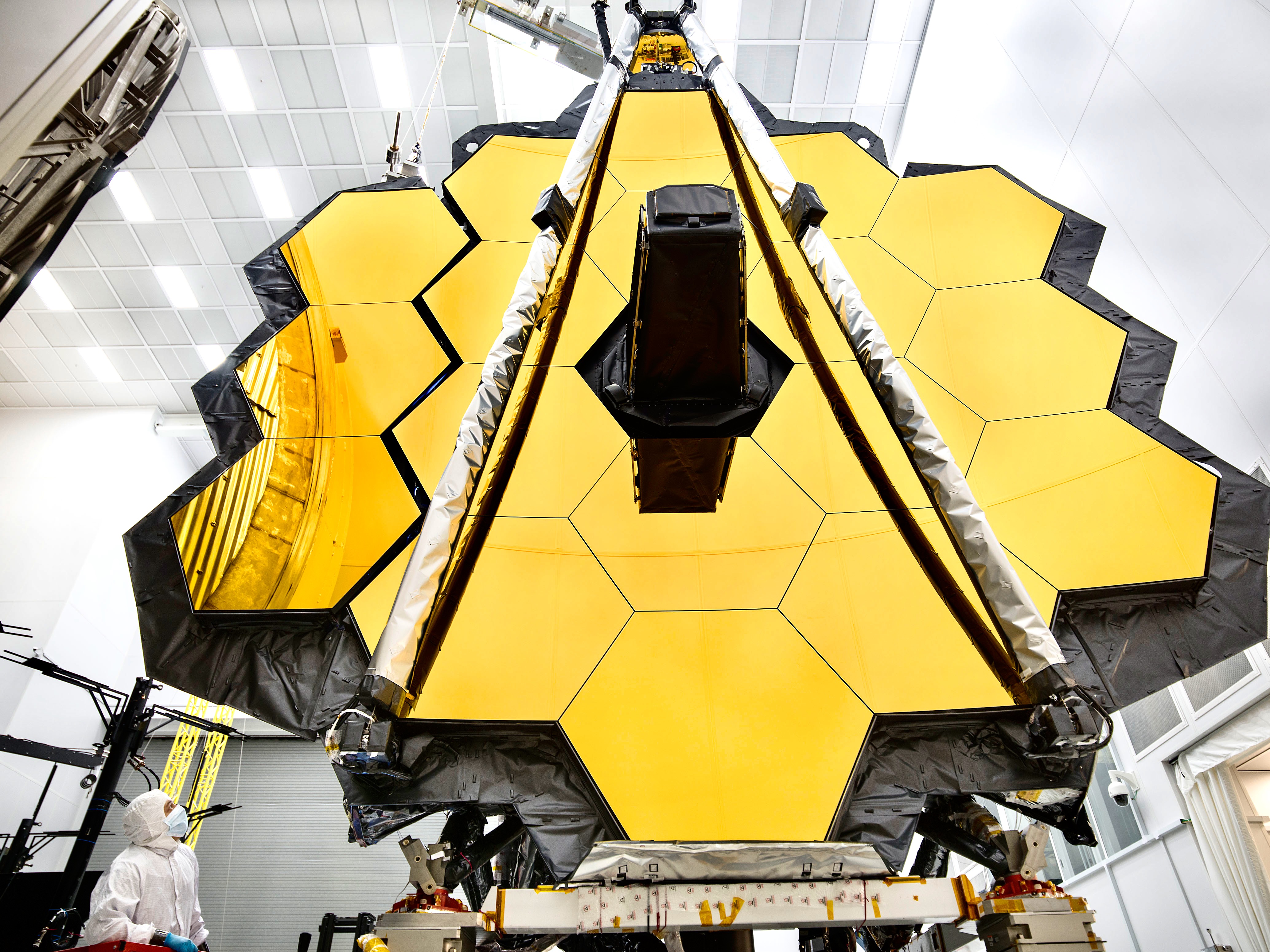
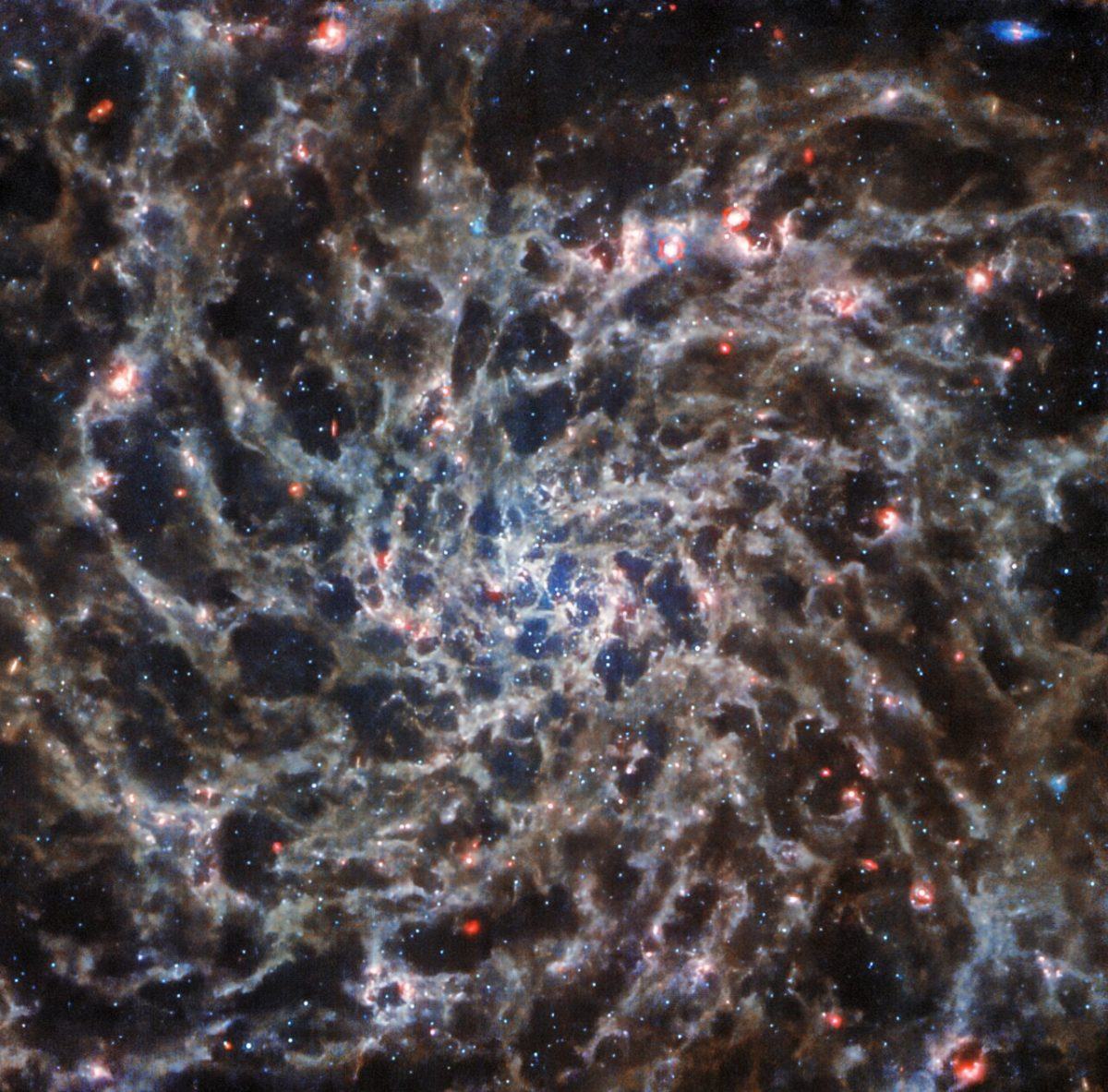
Webb Mirror Close-up
Phantom Galaxy
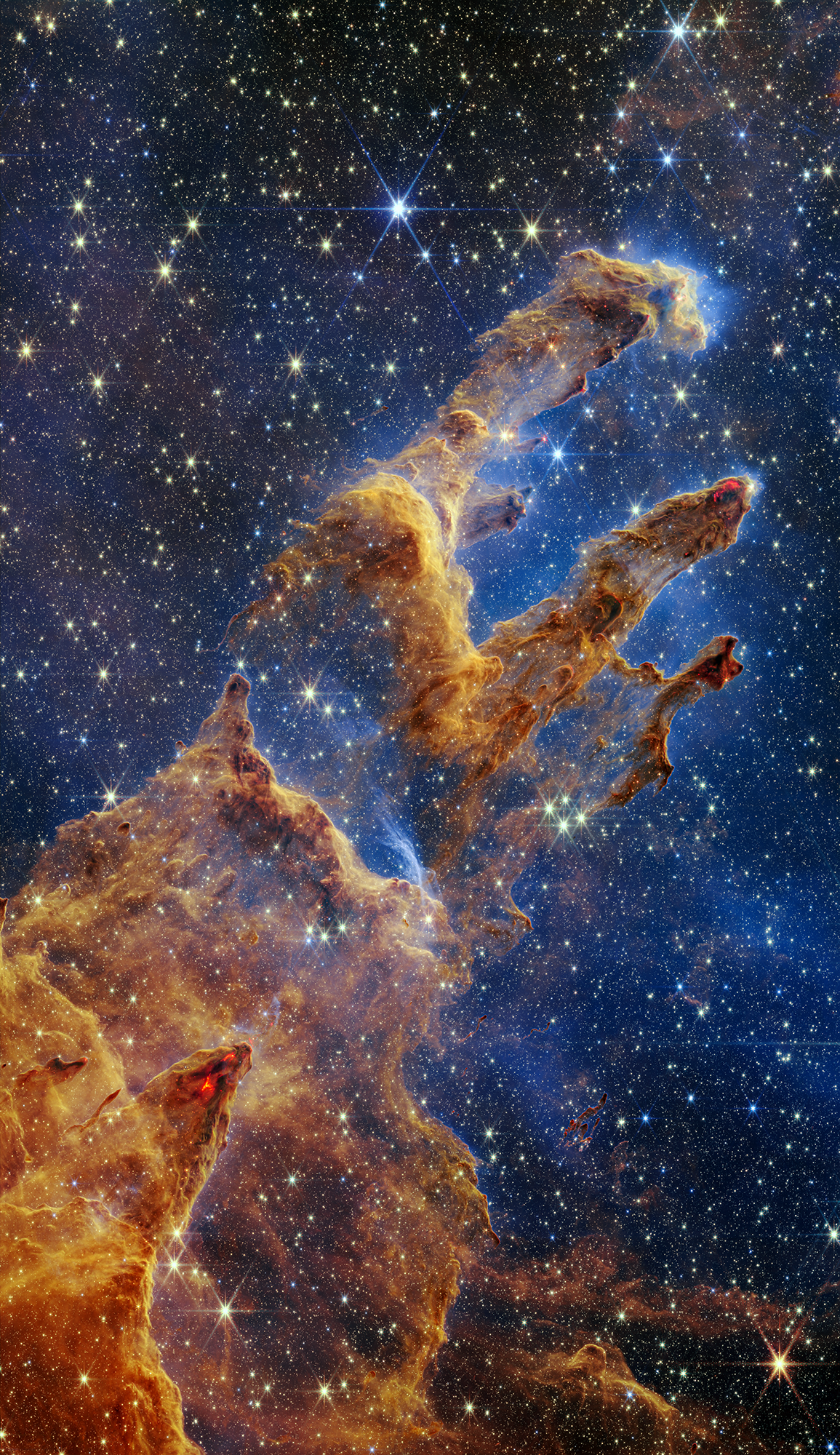
Pillars of Creation
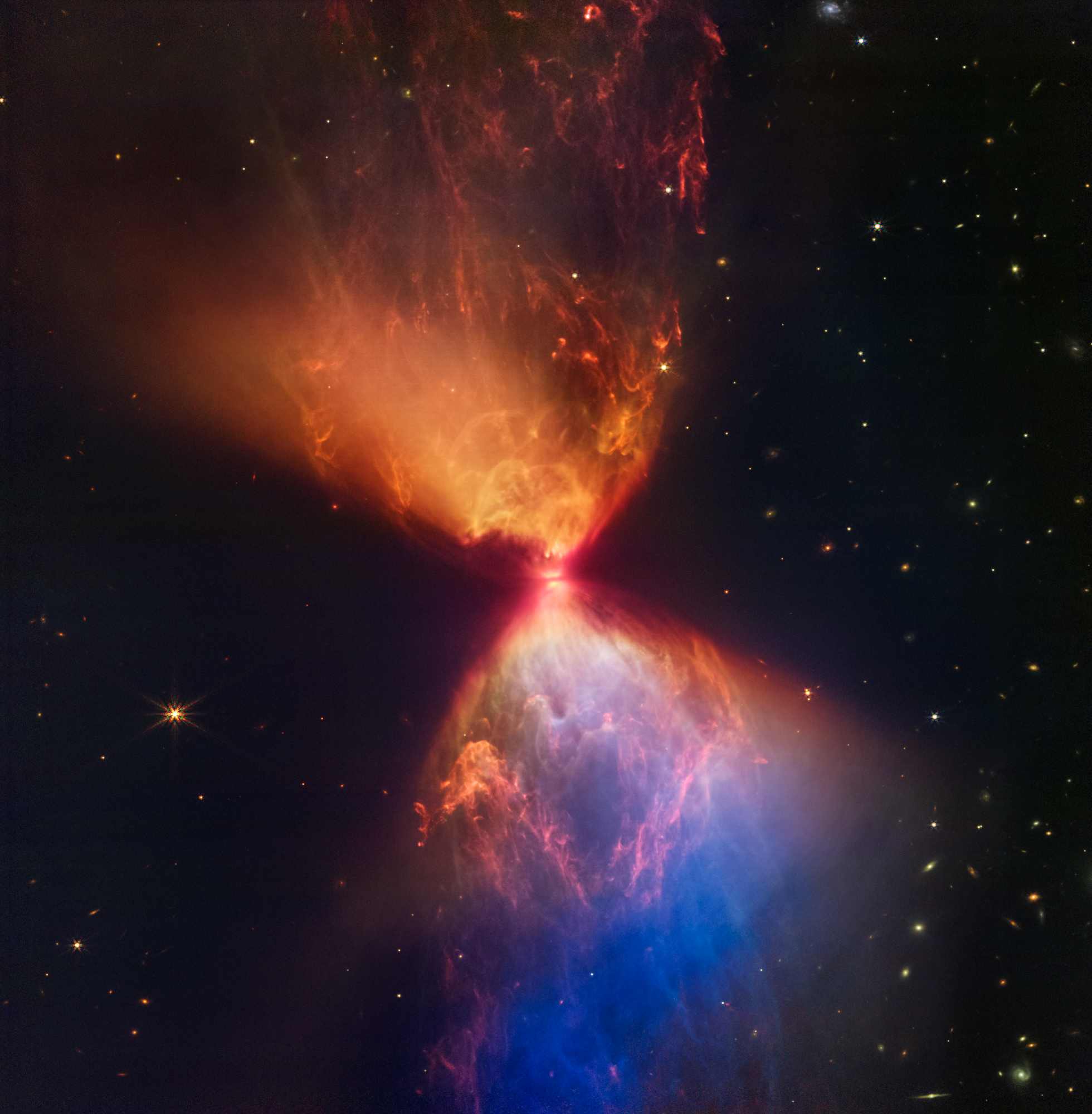
Protostar
JWST is a large infrared space telescope designed to observe the first galaxies, study star and planet formation, and analyze the atmospheres of exoplanets. It uses a segmented gold-coated primary mirror and a sunshield the size of a tennis court to keep instruments cold and sensitive.
18 hexagonal gold-coated segments totaling 6.5 meters in diameter.
Sun–Earth L2 halo orbit ~1.5 million km from Earth.
Optimized for 0.6 to 28 micrometers (near- to mid-infrared).
JWST collects infrared light with its mirror and focuses it onto instruments like NIRCam and MIRI. The sunshield shades the telescope so the detectors stay extremely cold, reducing thermal noise and allowing faint infrared signals to be measured.
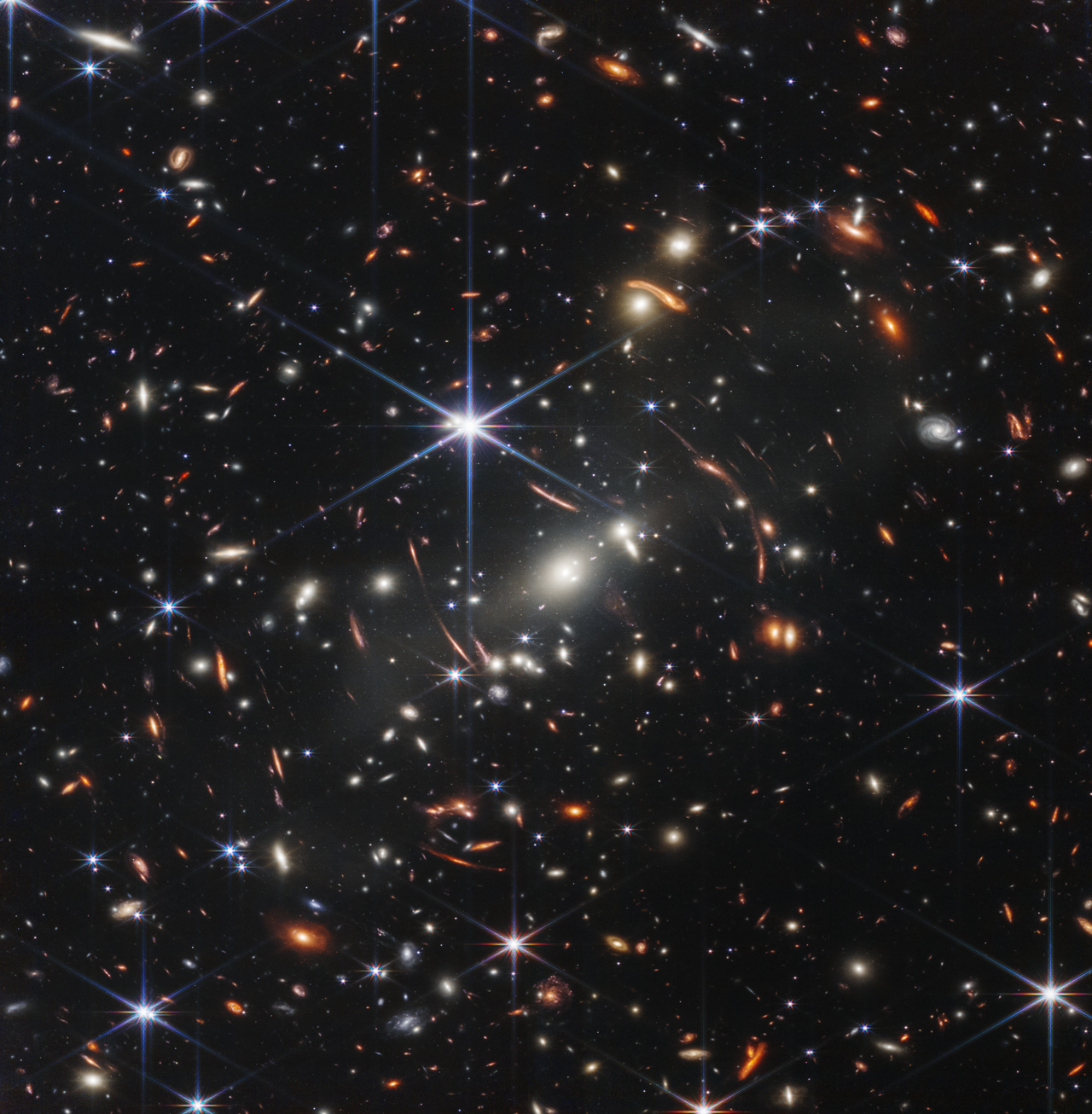
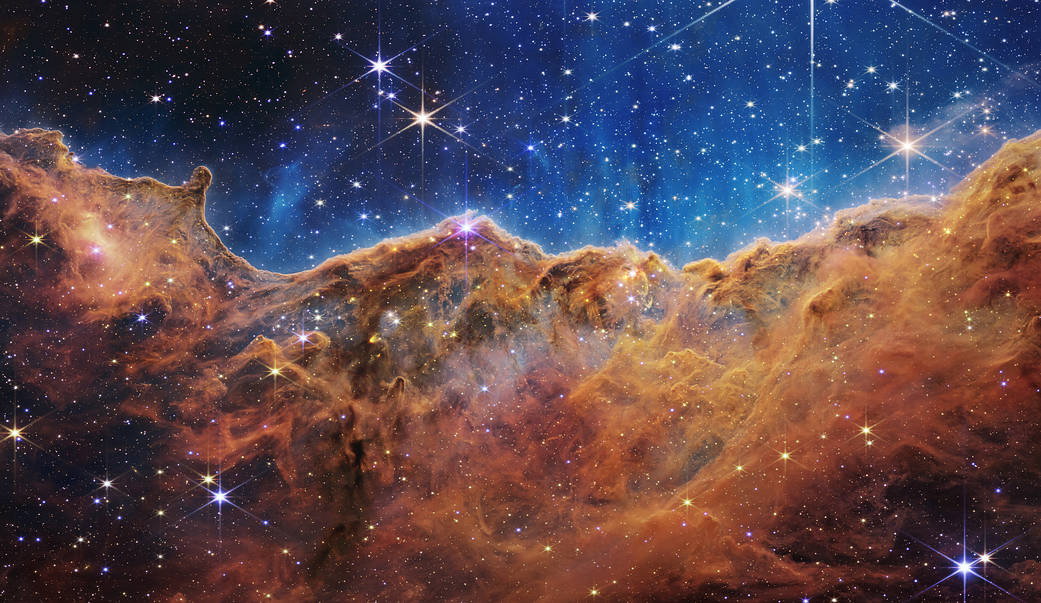
Below are highlight images and short descriptions of Webb's jaw-dropping results. Use the arrows to view the discoveries.
JWST expands humanity's knowledge across cosmic time, from the first stars and galaxies to the building blocks of life in planetary systems. It's a technological and collaborative achievement decades in the making.
Learn more about the James Webb Space Telescope at NASA's official website!